6 min read
Safety and security film for ground-floor homes
What it does, what it does not do, and where it is genuinely worth installing.
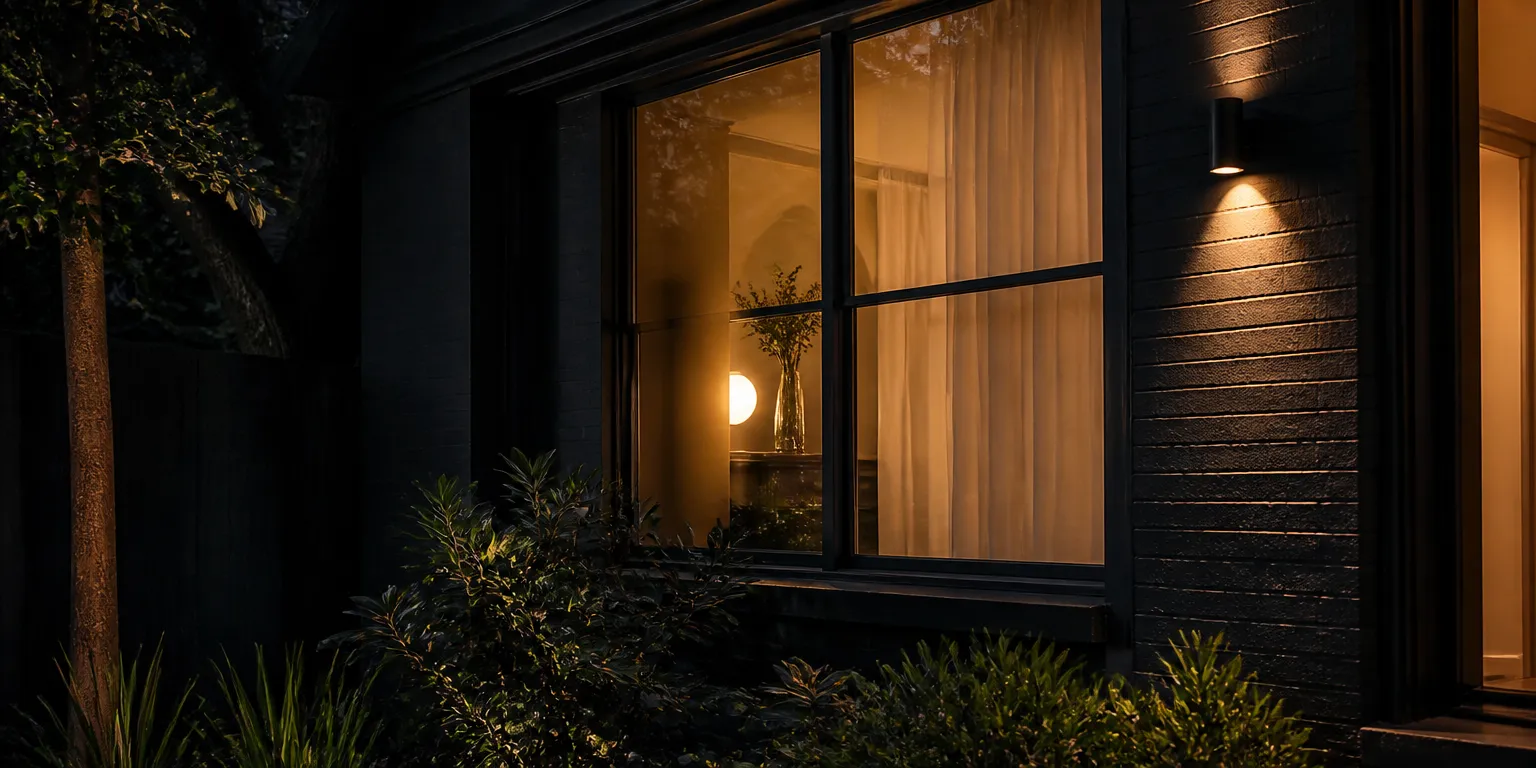
Safety and security film is a clear, thick polyester film (typically 4 mil to 12 mil) that bonds to the inside of the glass and helps hold the pieces in place if the pane breaks. For ground-floor Melbourne homes, especially those with large sliding doors backing onto a yard, it's a low-cost layer that's barely noticeable until something goes wrong.
Key takeaways
- Safety film helps hold broken glass in place. It doesn't stop a determined break-in.
- Thicker film (8 to 12 mil) holds up better than standard 4 mil film.
- Best fitted to large sliding doors and ground-floor glass you can reach from a yard or path.
- Clear, so the glass looks unchanged.
- It's one layer alongside good locks and an alarm, not a complete solution.
- Whether a window meets a safety glazing standard depends on the glass, the film and the install, so we check it on site.
What the film actually does
When the glass is hit hard enough to break, the film helps hold the fragments together rather than letting them fall into the room. The pane is still broken, but more of it stays in the frame.
The practical effect:
- A broken pane is more likely to stay in the frame instead of falling into the room.
- Getting through broken glass takes longer, because the film has to be cut or torn as well.
- A thrown ball or a falling branch is less likely to leave shards across the floor.
The film doesn't stop the glass from breaking. It changes what happens after it breaks.
Window tinting
See what film actually does on your glass
Solar, privacy, frost and safety film, installed across Melbourne. Warranty depends on the film used on your job.
Standards and compliance
Some glass in a home has to meet a safety glazing standard, for example glass in and around doors, low windows and balustrades. Film can't be assumed to do that job. Whether a filmed pane meets the standard depends on the type of glass, the specific film and how it's installed, and some situations need certified safety glass instead.
If compliance is the reason you're asking, tell us on the measure. We'll check the glass and confirm what the product is actually rated for before you spend anything.
Where it belongs in a Melbourne home
The priority spots:
- Large sliding doors at the back of the house, especially ones that can't be seen from the street.
- Ground-floor windows you can reach from a side path or yard.
- French doors or large glass entry doors.
Low-priority spots where film is rarely worth the cost:
- Upper-floor windows that can't be reached from a balcony or roof.
- Small windows a person couldn't fit through.
- Windows already protected by security screens or roller shutters.
Film thickness
Safety film thickness is measured in mils (one mil is 25 microns). The common options:
- 4 mil (100 micron): standard safety film. Helps hold glass together on impact.
- 8 mil (200 micron): security film. Harder to get through, because the film has to be cut as well as the glass.
- 12 mil (300 micron): heavy security film, more common in commercial settings.
For most ground-floor homes, 8 mil on the priority panels is the right balance of cost and protection.
Free measure
Get a fixed price on your windows
Dany measures every window on site and quotes it honestly, so the number you sign is the number you pay.
What film doesn't do
Three honest limitations:
- It doesn't stop a determined intruder. Given enough time and tools, any glass can be breached.
- It doesn't improve thermal performance or block heat by itself (you need solar film for that, covered in UV damage in Melbourne homes).
- It doesn't replace an alarm, deadlocks, or locking the sliders when you're away.
Pairing with alarm and locks
The layered approach:
- Good deadbolts on doors and locks on slider tracks.
- A monitored alarm with sensors on the likely entry points.
- Safety or security film on the largest glass panels you can reach from outside.
- Sensor lighting and street visibility where possible.
For commercial applications, see commercial window tinting in Melbourne and anti-graffiti film for inner Melbourne shopfronts.
Cost
Safety and security film starts at $499+ and moves with the number of panels, the film grade and the access. Compared to security shutters or grilles, film is the lower-cost option and keeps the look of the glass.
For full pricing context, see the honest cost of window tinting in Melbourne.
Common questions
Will the film be visible on my doors?
Quality clear safety film is hard to spot once it's on. You'd only notice it if you looked closely at the cut edge.
Does film cover every break-in scenario?
No. If someone breaks a slider and can reach the latch, they can still unlock it from inside. Good slider locks are a separate upgrade that pairs well with film.
Can film go on glass that already has tint?
The old film has to come off first, because the new film bonds to the glass. If you want heat control as well, there are combined safety and solar films that do both in one layer.
Will the manufacturer warranty cover damage from a break-in?
The warranty covers product defects like bubbling, peeling and fade. Damage from a break-in isn't a defect, so replacing the film after an incident is a new job.
What about pool fence glass?
Pool fencing has its own safety rules, and film can't be assumed to make glass compliant. Talk to us and your pool fence certifier before relying on film for a pool barrier.
A free measure across metro Melbourne and surrounding areas walks through which panels are worth filming and which are low-priority. Call Dany on 0468 032 236 or browse residential tinting.
Read next
Related service
Window Tinting →Frost tinting, one-way mirror film, solar heat reduction, decorative and safety film installed across Melbourne