6 min read
Anti-graffiti film: protecting commercial glass in inner Melbourne
How a thin sacrificial layer saves the cost of replacing tagged shopfronts.
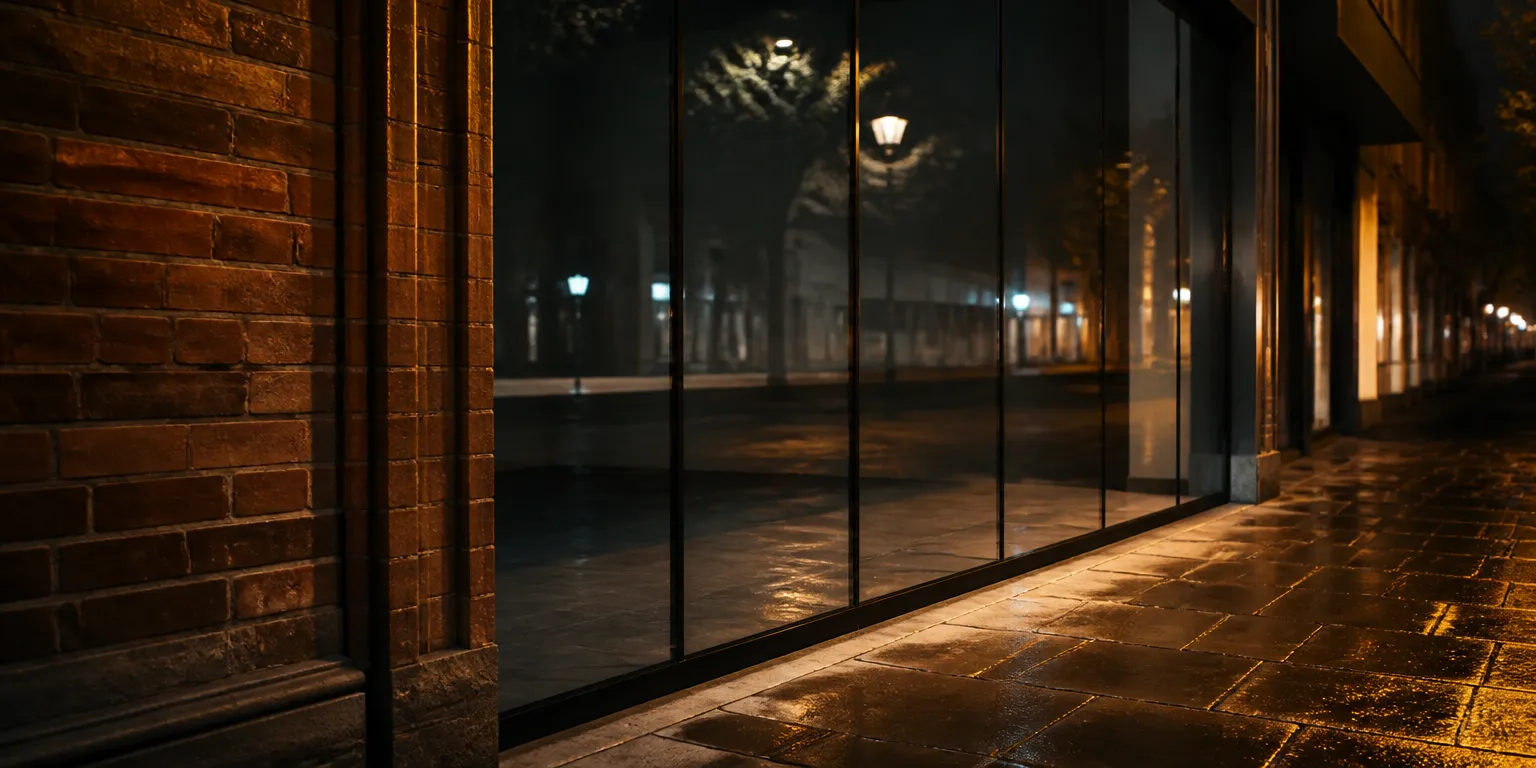
Anti-graffiti film is a clear sacrificial layer applied to commercial glass that takes the damage instead of the glass underneath. When a shopfront in inner Melbourne is tagged, etched or scratched, the film is peeled off and a new one fitted in a few hours. The cost of the replacement film is a fraction of the cost of replacing a plate-glass shopfront, and the original glass remains undamaged. For most retailers in Footscray, Yarraville, Newport, Spotswood and Williamstown, the film pays back the first time it is used.
Key takeaways
- Clear, optically invisible from the street.
- Replaces in a few hours after damage; glass underneath is unchanged.
- Cost per replacement is a fraction of the cost of replacing plate glass.
- Standard install is after-hours, with no business interruption.
- Manufacturer warranty depends on the product; the film replaces as needed.
- Often pays back on the first incident, especially with insurance excesses factored in.
Why inner Melbourne shopfronts get hit
Footscray, Yarraville, Newport, Spotswood and parts of Williamstown all have a baseline of opportunistic tagging. Shopfront glass at street level is the easiest target: it is visible, large, and unprotected on most retail frontages. The damage modes are:
- Spray paint tags: removable from glass with solvent but time-consuming.
- Marker pen tags: removable but often leaves shadow.
- Acid etching: permanent damage to the glass surface. Requires replacement.
- Scratch tagging (key or rock): permanent damage. Requires replacement.
The spray and marker damage is annoying. The etching and scratching is expensive. A 3m by 2.5m plate glass shopfront panel costs thousands to replace once you factor in removal, supply, refit and disposal. If the glass is structural or part of a heritage frontage, the cost is significantly higher.
Window tinting
See what film actually does on your glass
Solar, privacy, frost and safety film, installed across Melbourne. Warranty depends on the film used on your job.
How the film actually works
Anti-graffiti film is typically a 4 mil (100 micron) clear polyester film with a hard scratch-resistant surface coating. It goes on the outside face of the glass, the side the street can reach, because film only protects the surface it's stuck to. Tagging, etching and scratching all happen on the street side, so that's where the film has to be. From the street, the film is close to invisible; the glass looks unchanged.
When the film is tagged or damaged, the damage is in the film, not the glass. The film is peeled off (heat applied to soften the adhesive), residue cleaned, and a fresh film fitted. Total time per panel is typically two to three hours.
The glass surface underneath is undamaged. The same glass takes a new film, and the cycle continues. A typical shopfront might cycle through three or four films over the life of the original glass.
Why it goes on the outside
A film on the inside of the glass does nothing for anti-graffiti. A tag or an etch on the street side lands on bare glass, and the film behind it can't help. That's why anti-graffiti film is an exterior product: it's made to handle weather, sun and cleaning on the outside face.
Because it lives outside, it does weather over time, and how long it lasts depends on the product and how exposed the glass is. We confirm the product and its warranty with your quote.
The cost case
The rough numbers for a typical inner-Melbourne shopfront with a 20 sqm frontage:
- Initial install of anti-graffiti film: low four-figure number for a frontage that size, and quoted per project rather than off a rate.
- Replacement after a tagging incident: similar order, often slightly less because the glass is already prepped.
- Replacing tagged plate glass: five-figure number once removal, supply, glazier labour and disposal are added.
- Insurance glass-cover excess on most commercial policies: four-figure number per claim.
If the shop has been tagged once in two years, the film cycle is cheaper than the glass cycle even before insurance excesses are counted. With excesses factored in, the film usually wins on the first incident.
For the broader commercial film context, see commercial window tinting in Melbourne.
Free measure
Get a fixed price on your windows
Dany measures every window on site and quotes it honestly, so the number you sign is the number you pay.
Install logistics
We install anti-graffiti film after hours where possible. Most jobs run from close-of-business through late evening, with the shop ready to trade the next morning. A 20 sqm shopfront is typically a single evening with one or two installers.
The install is done from the street side, so we need clear access along the footpath frontage and a dry evening. We give a clear scope and access list before the install date.
Pairing with other commercial film
Anti-graffiti film is often combined with:
- Solar film: in offices and retail spaces with western glass that overheats. The two films are different products and do not stack on the same pane; one or the other is chosen per panel.
- Safety film: on the inside face, where you also want broken glass held in place. Whether a pane meets a safety glazing standard depends on the glass, the film and the install, so we check that on site.
- Decorative film: where partial frosting is also wanted. The decorative film acts as a sacrificial layer for both purposes.
For the safety film conversation, see safety and security film for ground-floor homes.
Common questions
Will the film discolour or yellow over time?
Quality anti-graffiti film from reputable manufacturers holds clarity for the full warranty period, which depends on the product and is confirmed with your quote. Cheap films can yellow within two to three years on west-facing glass. Specifying a quality product is the difference.
Can the film be applied to curved or shaped glass?
For curved glass, application is possible but specialised. Pieced film with seams may be required on tight curves. We assess on the measure.
Does the film stop break-ins?
No, anti-graffiti film is thin and isn't a security product. Thicker safety and security film helps hold broken glass in place, and the two can be specified together if you want both.
What about heritage frontages?
Anti-graffiti film is clear and doesn't change how the glass looks from the street. If the frontage sits under a heritage overlay, check with the local council before specifying anything.
How quickly can you replace film after a tagging incident?
Existing customers go to the front of the queue. Call us after an incident and we confirm the replacement date on the phone.
For inner-Melbourne retailers and commercial property managers, a free site visit walks through which frontages would benefit from film and which can stay unprotected. Call Dany on 0468 032 236 or browse commercial tinting.
Read next
Related service
Window Tinting →Frost tinting, one-way mirror film, solar heat reduction, decorative and safety film installed across Melbourne